Finding the Right HVAC Contractor: Essential Factors for Maximum Home Comfort
Selecting the ideal HVAC company is vital for maintaining home comfort. Various factors affect this decision, from the services provided to the importance of certifications and experience. Client testimonials deliver important information, while efficiency ratings can result in lasting savings. Knowing warranty and pricing options is equally essential. As homeowners consider these considerations, they may question which elements carry the most weight in selecting the right option.
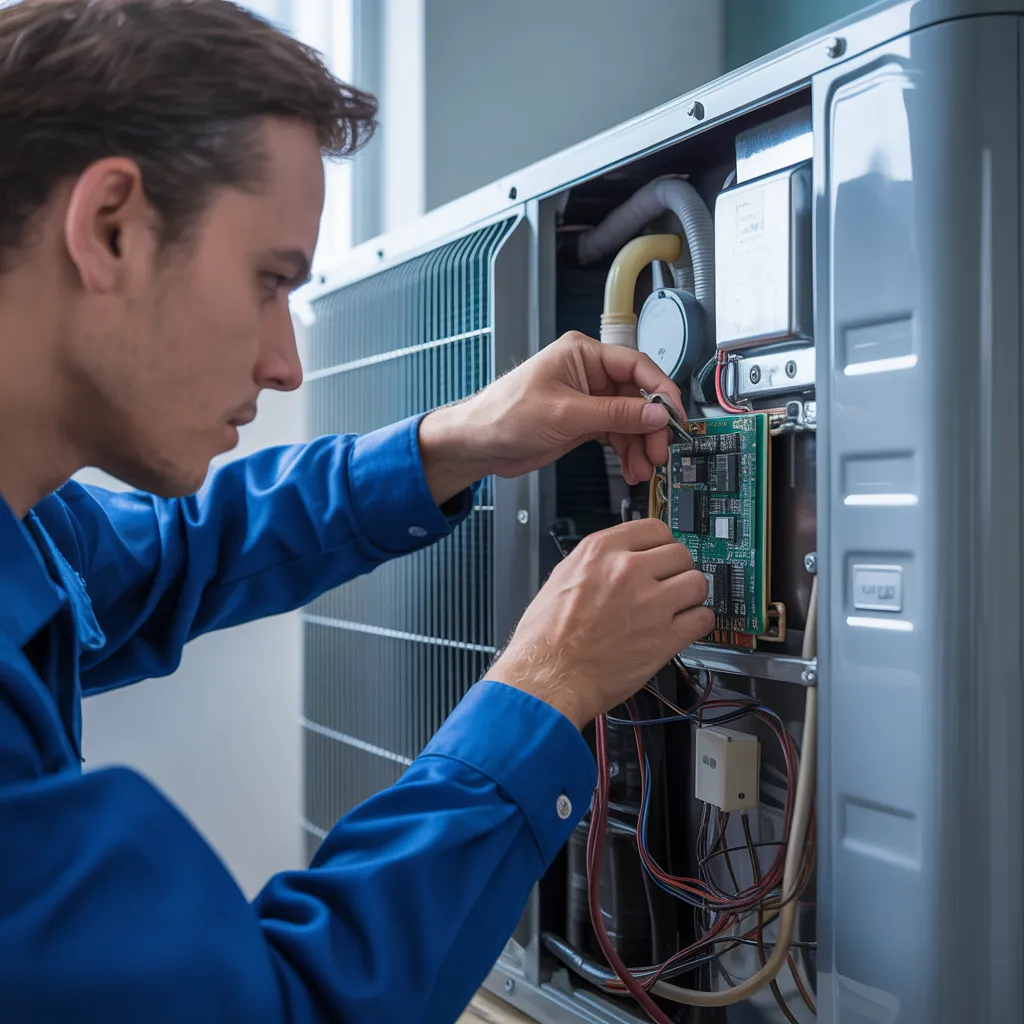
What Services Does Your HVAC Company Need to Offer?
When choosing an HVAC company, recognizing the variety of services available is crucial. A comprehensive HVAC contractor should handle repair, installation, and maintenance for heating, cooling, and ventilation systems. Installation services must cover both commercial and residential options, making sure systems meet specific requirements. Routine maintenance is critical for improving system efficiency and longevity, so companies should offer scheduled check-ups and maintenance services.
Moreover, repair solutions ought to be timely and efficient, handling concerns with different system parts, including thermostats, ductwork, and filters. Several firms may also present complementary services like air quality analyses, which may contribute to bettering the overall conditions of a home or workplace. Lastly, urgent response services represent a critical resource, guaranteeing that customers obtain prompt help during major system breakdowns. Evaluating these offerings helps homeowners make informed decisions for their HVAC needs.
The Importance of Experience and Certifications When Choosing an HVAC Company
Choosing an HVAC company is not only about the solutions they deliver but also about the expertise behind those solutions. Experience plays an important role in ensuring that professionals can correctly assess issues and execute effective fixes. A established HVAC company is likely to have addressed a variety of setups and problems, enabling them to adapt efficiently to uncommon circumstances.
Certifications hold equal significance, as they demonstrate that the company complies with established industry standards and guidelines. Certified technicians have undergone rigorous training, guaranteeing their familiarity with the latest technologies and safety protocols. This lowers the likelihood of mistakes that can lead to costly repairs or safety hazards.
Ultimately, in the end, when all is considered, a combination of experience and certifications showcases a devotion to delivering quality service and professionalism. Homeowners can rest assured knowing they are entrusting their HVAC needs to a team that places competence and reliability at the forefront.
The Role of Customer Reviews in Choosing an HVAC Company
Customer ratings are vital in evaluating the credibility of HVAC providers. By examining online ratings, prospective clients can assess the level of service and dependability offered by various companies. Reviewing this feedback allows consumers reach well-informed choices when hiring an HVAC provider.
Analyzing Online Reputation
What methods can a prospective homeowner use to evaluate the trustworthiness of an HVAC company in the modern digital era? One effective method is to assess the company's online reputation through customer reviews. Online platforms including Google, Yelp, and Facebook deliver useful perspectives on former client encounters, emphasizing service standards, turnaround times, and overall customer contentment. A predominance of positive reviews can indicate a trustworthy company, whereas frequent complaints may signal potential issues. It is furthermore helpful to consider how the company responds to unfavorable comments, as a well-crafted reply can showcase a commitment to professionalism and quality service. Through consolidating this information, homeowners can reach educated conclusions, ensuring they partner with an HVAC company that matches their criteria for excellence and trustworthiness.
Understanding Ratings Importance
In today's digital environment, reviews play an important part in influencing opinions about HVAC companies. Customer reviews provide insights into reliability, service standards, and customer satisfaction. Prospective clients often rely on these ratings to gauge a company's reputation before selecting a provider. Strong reviews generally reflect a background of effective solutions and dependable support, while low ratings may signal potential issues. Furthermore, trends in feedback can reveal specific strengths or weaknesses, such as expertise in particular systems or responsiveness to emergencies. In the end, recognizing the value of reviews allows residents to make well-considered selections, ensuring they select an HVAC company that aligns with their needs and expectations. This diligent review process can produce improved comfort and reassurance.
Exploring Energy Efficiency Ratings for HVAC Systems
What aspects affect the efficiency of HVAC units? Energy efficiency ratings, such as SEER (Seasonal Energy Efficiency Ratio) for cooling units and the Annual Fuel Utilization Efficiency (AFUE) for heating systems, provide essential insights. These ratings measure how effectively a unit converts energy into temperature regulation in relation to its energy use. The greater the rating the better the system performs, resulting in decreased energy costs and a smaller environmental footprint.
Furthermore, the system's design, installation quality, and maintenance practices significantly impact the system's overall performance. Appropriately sized systems designed to fit a home's particular needs will function more effectively than systems that are either too large or too small. Moreover, innovations in technology, such as smart thermostats and variable speed compressors improve energy performance. Homeowners should consider these factors when evaluating HVAC systems, as selecting a unit with a high energy efficiency rating leads to enduring comfort and improved sustainability.
Understanding HVAC Pricing for Maximum Value?
When evaluating HVAC rates, residents often question which aspects contribute to obtaining the best value. Key elements include the upfront cost of the system, installation costs, and ongoing operational costs. Homeowners should gather quotes from multiple contractors, making sure that all estimates are comprehensive and encompass comparable services.
Another key factor to keep in mind is the efficiency score of the unit, as greater efficiency typically results in reduced energy costs. Moreover, warranty coverage and maintenance plans can greatly impact overall value. It is essential to assess the reputation of the HVAC company, as skilled technicians generally deliver superior service, which can lower future repair expenses.
In the end, true value is not determined by the lowest price alone but by a combination of quality, efficiency, and dependable service. Homeowners are encouraged to thoroughly evaluate all aspects of HVAC pricing to make informed decisions that enhance their home comfort and investment.
Important Questions to Ask Your HVAC Contractor?
How can homeowners confirm they choose the right HVAC contractor? One effective approach is to ask vital questions that reveal the contractor's qualifications and reliability. First, homeowners should inquire about licensing and insurance, making sure the contractor meets local regulations and can cover any liabilities. Next, asking about experience with specific systems or brands helps determine whether the contractor is well-suited for the job.
Homeowners are encouraged to request referrals from prior customers to assess satisfaction levels and quality of service. Moreover, asking about warranties and service agreements can provide clarity on what to anticipate after installation or repair. Lastly, reviewing financing options and projected timelines for the project can foster transparency and help avoid unforeseen delays. By taking these key elements into account, homeowners can arrive at informed decisions that lead to the greatest level of comfort in their homes.
Questions We Often Receive
What Is the Typical Lifespan of an HVAC System?
A heating and cooling system usually operates for between 15 and 25 years, based on maintenance, usage, and installation quality. Routine maintenance helps maximize its longevity, while neglect may lead to unexpected breakdowns and costly replacements.
What Kind of Warranties Can I Expect From HVAC Services?
Customers should expect warranties that include parts and labor, typically ranging from one to ten years, according to the HVAC system. Longer warranty plans may also be accessible, offering extra peace of mind and safeguarding against future repairs.
Do HVAC Systems Help Improve Indoor Air Quality?
HVAC systems are highly effective at improving indoor air quality by filtering pollutants, regulating humidity levels, and maintaining adequate ventilation. Routine maintenance improves their performance, supporting cleaner and healthier living spaces and minimizing allergens and irritants in the air.
What Maintenance Is Required for HVAC Systems?
Routine upkeep for climate control systems includes swapping out filters, cleaning ducts, inspecting refrigerant levels, examining electrical connections, and booking professional maintenance visits. These measures enhance efficiency, maximize system longevity, and preserve superior indoor air quality throughout the year.
How Do I Know if My HVAC System Requires Replacement?
Indicators that an HVAC system calls for replacement include recurring repairs, climbing utility bills, irregular temperatures, strange noises, and having more than 15 years of use. Evaluating these review factors can assist in determining if a replacement is necessary.